If you’re planning a trip to Victoria Falls from the United States, one of the first questions you’ll ask is: when is the best time to visit? The honest answer is that Victoria Falls is spectacular year-round — but the experience changes dramatically depending on when you go. Water levels, weather, wildlife viewing, and even pricing all shift with the seasons. This guide breaks down what to expect month by month, so you can choose the perfect time for your dream African safari at Old Drift Lodge.
How Victoria Falls Changes Through the Year
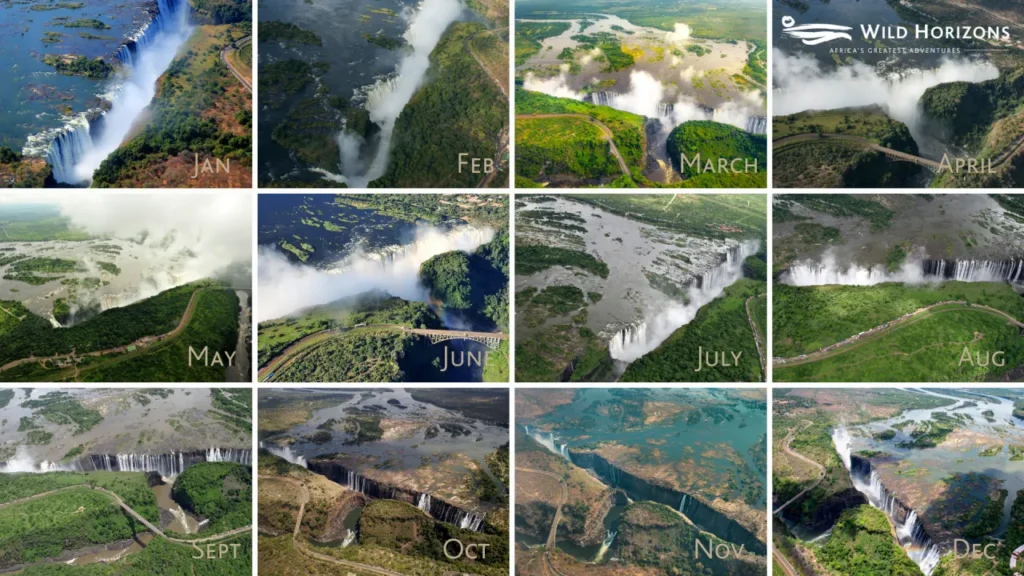
Victoria Falls is fed by the Zambezi River, which rises in the highlands of Angola and flows through Zambia before plunging over a 1.7-kilometre-wide basalt cliff on the border between Zimbabwe and Zambia. The river’s water levels lag about two to three months behind the rainy season upstream, which means the Falls peak in April and May — well after the rains have eased locally. This creates two distinct experiences: the thundering, mist-shrouded spectacle of high water season, and the clear, photogenic beauty of the dry season when you can see every detail of the gorge below.
January – February: Green Season (Hot & Wet)
The rainy season is in full swing. Afternoon thunderstorms refresh the landscape, turning the bush lush and green. The Zambezi is rising but hasn’t yet peaked, so the Falls are impressive without being completely obscured by spray. This is a wonderful time for birdwatching, with migratory species arriving from across Africa. It’s also the most affordable time to visit — at Old Drift Lodge, green season rates start from USD 835 per person per night, all-inclusive (2026) with our Fantastic Linger Longer Pay 2 / Stay 3 Special available.
Best for: budget-conscious travellers, birders, photographers seeking green landscapes, couples looking for fewer crowds.
March – May: Peak Flow (The Full Spectacle)
This is when Victoria Falls earns its local name, Mosi-oa-Tunya — “The Smoke That Thunders.” The Zambezi reaches its highest volume, sending over 500 million litres per minute over the edge. The spray rises hundreds of metres into the air, visible from 50 kilometres away. The rainforest below the Falls is soaked in a permanent tropical shower. A helicopter flight during this period is unforgettable — you’ll see the entire curtain of water from above, with rainbows arching through the mist.
Best for: witnessing the raw power of the Falls, helicopter flights, lunar rainbow viewing during full moons (March–May).
June – August: Dry Season (Peak Safari Season)
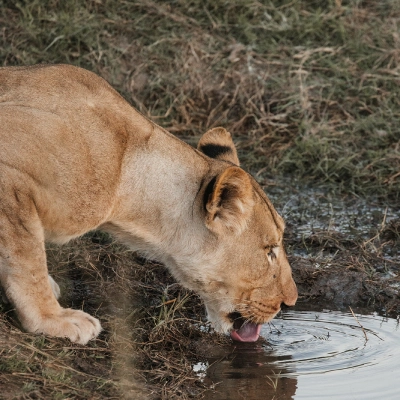
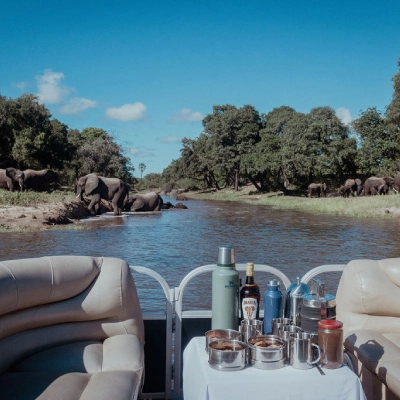
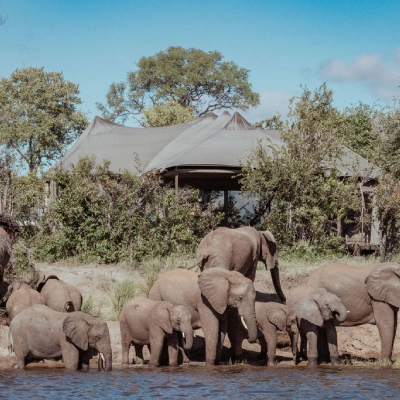
The dry winter months are the most popular time to visit Victoria Falls, and for good reason. The weather is cool and clear, with virtually no rain and blue skies every day. Water levels are receding, which means less spray and clearer views of the Falls from the ground-level viewpoints. Wildlife viewing reaches its peak as animals concentrate around the Zambezi and remaining water sources in Zambezi National Park — our game drives during this period regularly encounter elephant herds, buffalo, giraffe, and a rich variety of antelope species.
At Old Drift Lodge, this is also when our walking safaris and river safaris are at their most rewarding. Evenings are cool enough to enjoy sundowners on your private deck, watching hippos in the river below.
Best for: first-time visitors, families, wildlife enthusiasts, photographers wanting clear Falls views.
September – October: Hot Dry Season (Adventure Season)
September and October are the warmest months, with daytime temperatures reaching 35°C (95°F). Water levels are at their lowest, which reveals the dramatic geology of the Batoka Gorge below the Falls. On the Zambian side, some sections may dry up entirely, but the main Falls on the Zimbabwe side — which is where Old Drift Lodge is located — maintain an impressive flow year-round.
This is prime season for adventure activities: white-water rafting on the Zambezi is at its most thrilling, and Devil’s Pool (on the Zambian side) opens for its famous edge-of-the-Falls swimming experience.
Best for: adventure seekers, rafting enthusiasts, Devil’s Pool, photography of the exposed gorge.
November – December: Shoulder Season (Transformation & Renewal)
The first rains arrive, transforming the parched landscape almost overnight. It’s a beautiful transitional period — the bush greens up, migratory birds return, and the river begins to rise. November can be very hot, but December brings cooling afternoon storms. This is an excellent time to visit if you want a mix of dry-season adventure activities and the early beauty of the green season, often at shoulder-season pricing.
Best for: travellers who want good value, a quieter experience, and the transition between seasons.
So When Should You Visit?
For most American travellers visiting Victoria Falls for the first time, we recommend June through September. You’ll enjoy comfortable weather, outstanding wildlife viewing on our daily game drives and river safaris, clear views of the Falls, and the full range of activities. It also aligns well with summer vacation schedules in the US.
If you’re more interested in witnessing the Falls at their most powerful and don’t mind warm, humid weather, March through May delivers the most dramatic spectacle on earth.
And if value is a priority, our green season rates (January–March and November–December) offer the same world-class lodge experience, all-inclusive meals, game drives, and river safaris at significantly lower rates — including our “Pay 2, Stay 3” special.
What’s Included at Old Drift Lodge, No Matter When You Visit
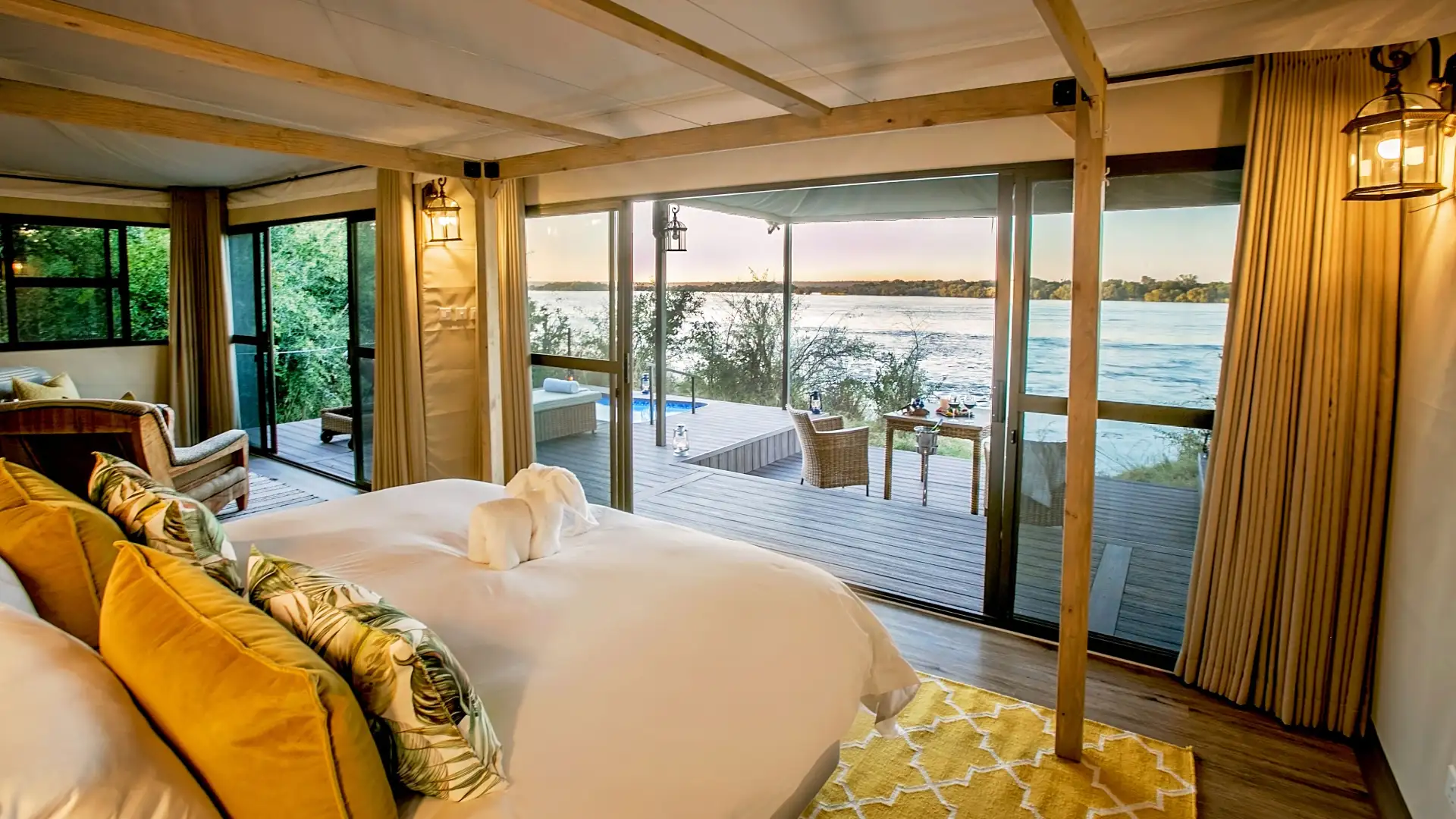
Every stay at Old Drift Lodge includes all meals and local drinks, daily game drives in Zambezi National Park, river safaris on the Zambezi, walking safaris, a guided tour of Victoria Falls, breakfast at the Lookout Café overlooking Batoka Gorge, and return airport transfers. Your suite comes with a private plunge pool, open-air shower, bathtub with a view, complimentary minibar and views of the Zambezi River.
Ready to plan your Victoria Falls trip? View our rates and availability, or contact our team for a personalised quote